

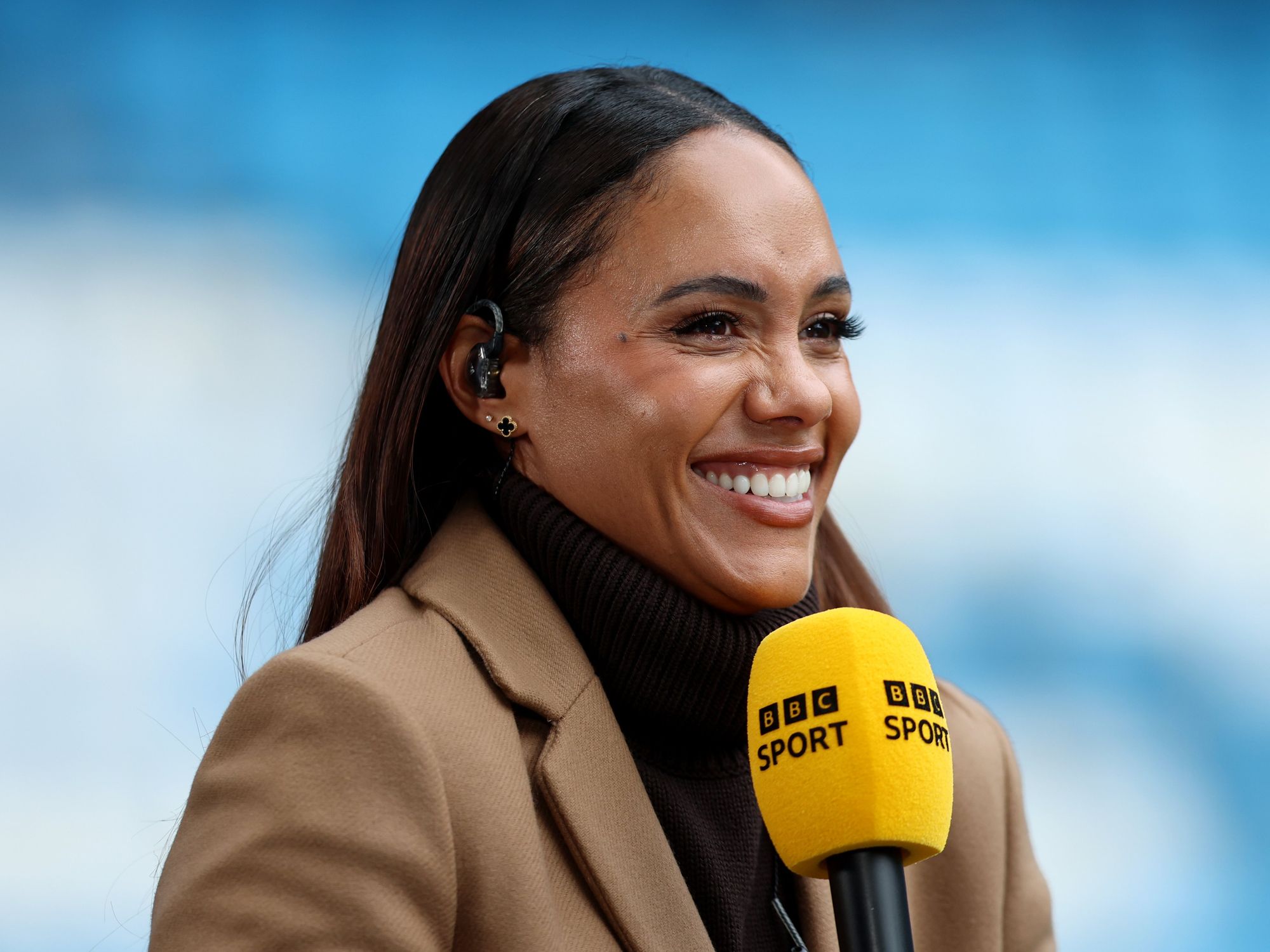
After 52 years, Football Focus is no more.
The BBC confirmed on Thursday that the once-popular football programme would be shut down for good, with The Football Interview poised to replace it from next season.
BBC chief Alex Kay-Jelski put the decision down to a change in how fans are consuming their content, with more and more spectators turning to online.
"Football Focus has been a hugely important programme in the history of BBC Sport, and has played a key role in telling the stories of the game for generations of viewers," he explained.
"This decision was made before last week's wider BBC savings announcement, reflecting the continued shift in how audiences engage with football and our commitment to evolving how we deliver content to reach fans wherever they are."
However, in recent years, the programme has been accused of becoming 'too woke'.
GB News will now take a look at how Football Focus fell from popularity - and how others have similarly suffered in recent years after changes in personnel and style.
Football Focus: What went wrong?
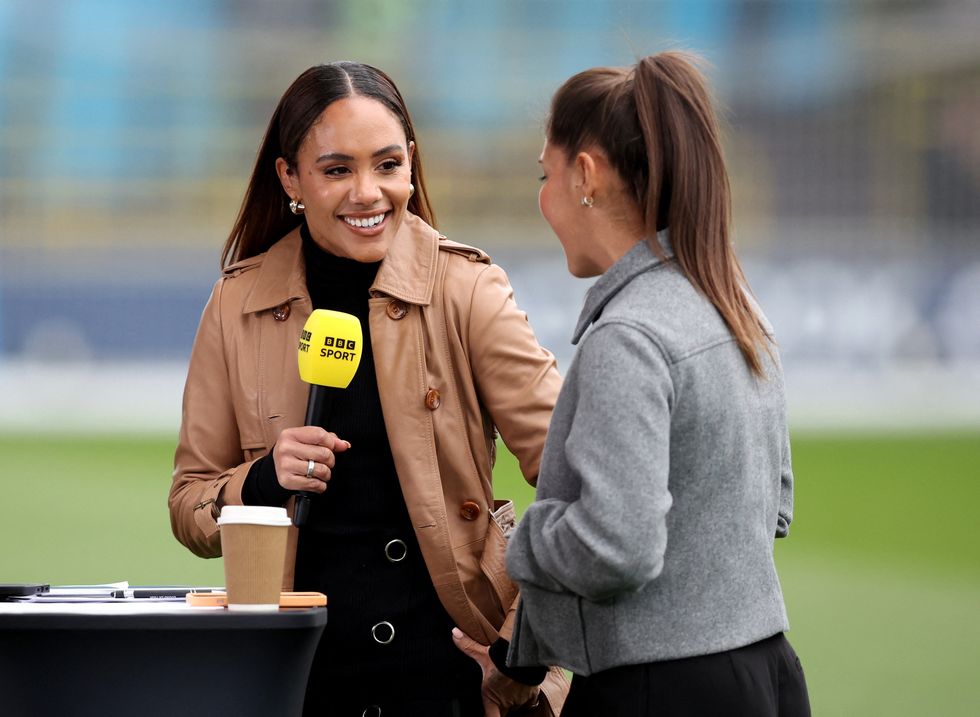
Football Focus was the traditional curtain-raiser for the Saturday afternoon sporting schedule, a programme that had survived the transition from the black-and-white era to the digital age.
Its cancellation on Thursday marked the end of a 52-year run, following years of declining relevance and intense scrutiny.
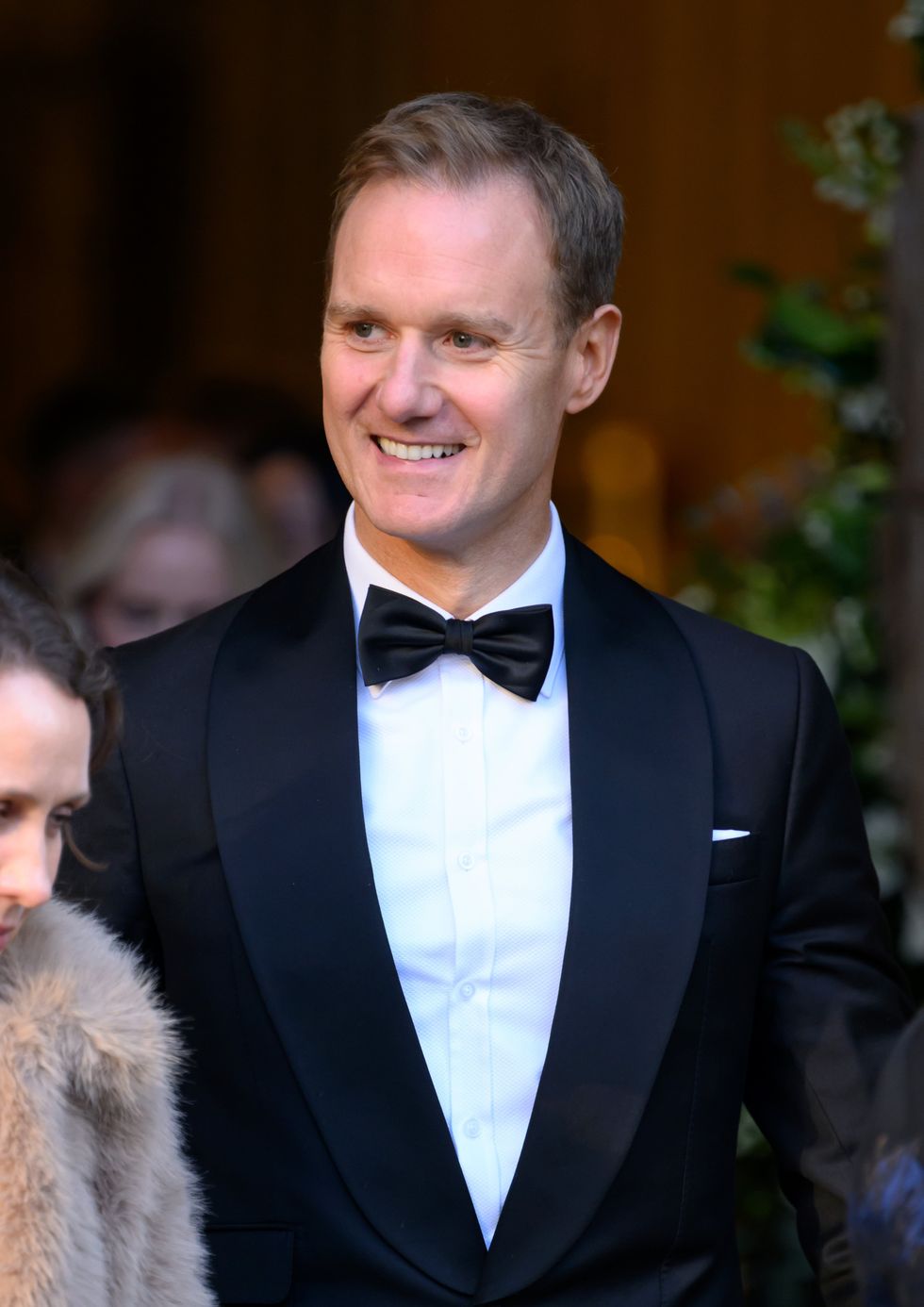
The backlash intensified significantly after Alex Scott took over the hosting duties from Dan Walker in 2021.
While Scott is a highly decorated former professional, her appointment and the show’s subsequent change in tone became a magnet for "anti-woke" sentiment.
LATEST SPORTS NEWS:
- Luke Littler sends fresh message to booing fans after Premier League win
- Alex Scott breaks silence after Football Focus axed by BBC
- Stephen Hendry stunned by 'the worst shot at World Snooker Championship so far'
The programme began to move away from purely tactical analysis and match previews, increasingly incorporating discussions on social issues, mental health, and inclusivity within the game.
Opinions varied on the matter, having been accused of 'virtue signalling'. Internal reports eventually leaked suggesting that the show was losing its 'Middle England' audience at an unsustainable rate.
While the BBC pointed to the fact that fans now watch goals instantly on social media rather than waiting for a midday magazine show, the consensus among critics was that the programme had lost its identity.
By trying to appeal to a new audience that largely consumes content via clips and apps, Football Focus ended up losing the traditional viewers who actually sat down to watch the full broadcast.
A Question of Sport
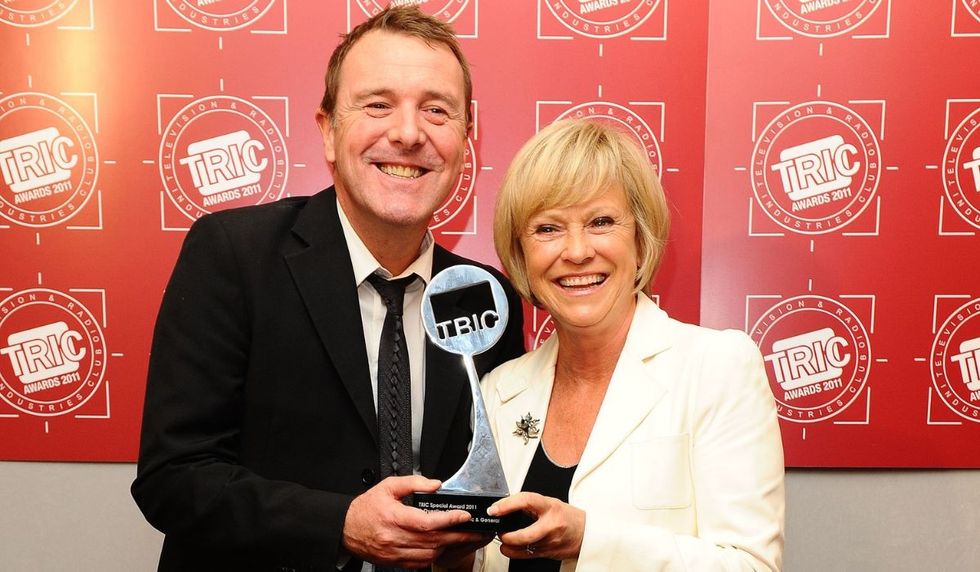
For over half a century, A Question of Sport was a cornerstone of British family viewing.
However, its decline and eventual chop in late 2023 became a flashpoint in the debate over 'identity-led' broadcasting.
The catalyst for the backlash was the 2020 decision to replace the beloved hosting trio of Sue Barker, Matt Dawson, and Phil Tufnell.
Barker, in particular, was an institution, and her involuntary departure sparked immediate accusations of ageism and a 'forced' attempt to modernise a format that fans felt was not broken.
When the BBC relaunched the show with Paddy McGuinness as host, alongside captains Sam Quek and Ugo Monye, the reaction from the core audience was emphatic.
Critics argued that McGuinness, a comedian rather than a sporting figure, lacked the gravitas and deep-rooted knowledge of Barker.
The show’s production style also shifted, leaning into louder, more high-energy segments that many viewers felt were 'dumbing down' the content to chase a younger demographic that was not interested in linear television to begin with.
The 'woke' accusation stemmed from the perception that the BBC prioritised diversity and "youth appeal" over the genuine chemistry and sporting pedigree of the previous cast.
Ratings also plummeted from four million to fewer than one million.
Soccer AM
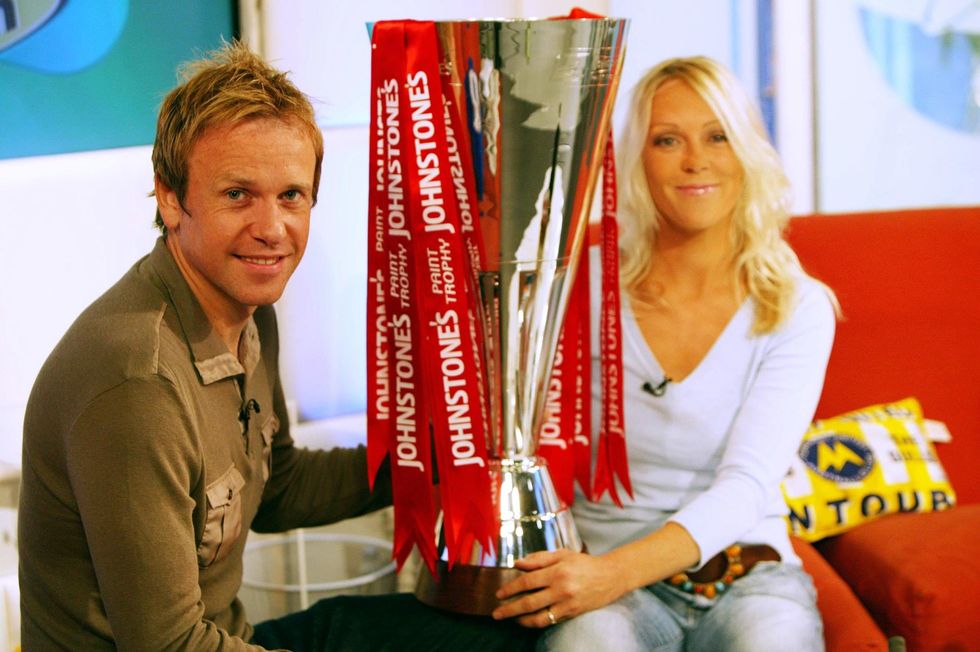
For three decades, Soccer AM was viewed as the ultimate 'lad' show, defined by its chaotic energy, humour, and championing of the lower leagues.
At its peak under Tim Lovejoy and Helen Chamberlain, it was a staple.
However, as cultural sensibilities shifted, the show found itself in a difficult position.
To survive in a modern corporate environment, Sky Sports had to sanitise the format, removing segments like the 'Soccerette' and toning down the boisterous banter that had once been its trademark.
The backlash against Soccer AM was rooted in the feeling that the show had been 'neutered.'
Long-time fans complained that the programme had become a shadow of its former self, trading its biggest qualities for a more polished, 'PC-friendly' tone.
The 'woke' label was frequently applied by viewers who felt that the show was being held back, making the comedy feel forced.
When Sky finally pulled the plug in 2023, the broadcaster replaced it with Saturday Social, a show built around influencers and YouTubers.
This transition caused fury, but the company continues to stick with it.
Our Standards: The GB News Editorial Charter
from GB News https://ift.tt/5tFbxO7
via IFTTT


Thank you for your message!